Nashville’s nickname is Music City for a reason that goes well beyond marketing. The city has more than 180 live entertainment venues, and on any given night — weekday or weekend — live music is happening across dozens of them simultaneously. Choosing where to go depends less on finding somewhere good and more on knowing what kind of experience you want.
This guide breaks the city’s live music venues into categories that actually help with that decision.
For History and Acoustics: The Ryman Auditorium
There is no better room for live music in Nashville, and an argument can be made there are few better rooms anywhere in the country. Built in 1892 as a tabernacle, the Ryman served as the home of the Grand Ole Opry from 1943 to 1974 and has hosted virtually every significant name in American music at some point in its history. The pew seating is not especially comfortable, but the acoustics — shaped by the original wood and brick construction — are extraordinary.
The Ryman books across genres: country, Americana, folk, rock, jazz, and classical all appear on the schedule. A show here is worth attending regardless of the specific artist, partly for the music and partly for the sense of being somewhere that genuinely matters to American cultural history.
Tickets range widely depending on the act, and popular shows sell out weeks in advance. Checking the schedule before finalising travel dates is worth the few minutes it takes.
For the Songwriter Experience: The Bluebird Cafe
The Bluebird Cafe seats around 100 people and runs its shows in near-silence — which is unusual enough in Nashville’s broader entertainment landscape to feel like an entirely different city. The venue specialises in songwriter rounds, where four writers sit in a circle and take turns performing original songs, often explaining the story behind them. It is the format in which countless country hits were first played publicly, and the intimacy of the room makes it feel exactly as significant as it is.
Reservations are essential and fill up quickly, particularly on weekend nights. The venue is in Green Hills rather than downtown, which means it draws a more local crowd than the Broadway strip — an advantage if you want a room full of people who are actually listening.
For Honky-Tonk and Broadway Energy: Tootsie’s, Robert’s Western World, and Layla’s
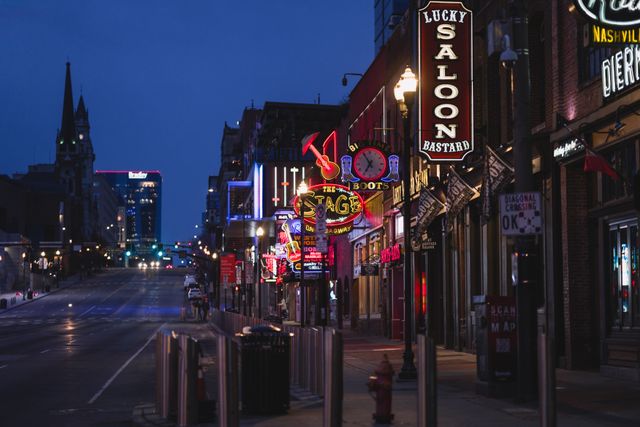
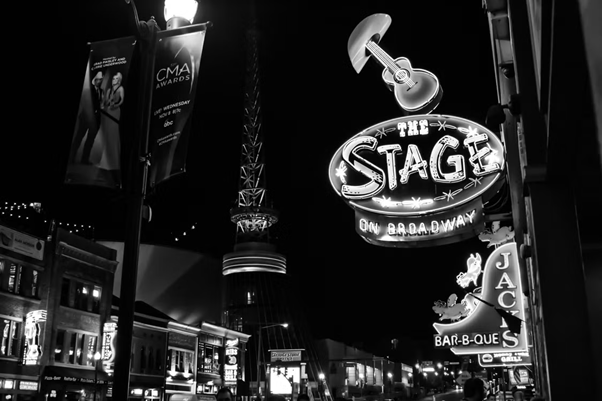
Lower Broadway is the axis around which Nashville’s tourist music scene rotates, and the older honky-tonks along it carry more genuine character than the newer celebrity-branded venues that have opened in recent years.
Tootsie’s Orchid Lounge is the most historically significant, with walls covered in signed photographs spanning decades of country music history. The bar sits directly behind the Ryman, and the connection between the two — artists would slip through the alley between shows — is part of the city’s lore.
Robert’s Western World is the local favourite among the Broadway bars, known for maintaining a genuinely old-school honky-tonk atmosphere and serving what many consider the best fried bologna sandwich in the city. The music leans traditional country rather than current pop-country, which suits the room.
Layla’s books a mix of country, rockabilly, and Americana acts and tends to draw a slightly younger local crowd than its immediate neighbours. No cover charge at any of these venues — tips to the band are expected and appreciated.
For Bluegrass: Station Inn
Station Inn is a Nashville institution that most visitors never find, which is partly what makes it worth seeking out. The venue has been running in the Gulch neighbourhood since 1974 and remains one of the premier bluegrass clubs in the country. The room is small and unpretentious, the sound is excellent, and the calibre of musicians who pass through — both local and touring — is consistently high.
Shows typically start early by Nashville standards, and the crowd is there specifically for the music. It is the sharpest possible contrast to the Broadway experience and represents a side of Nashville’s musical identity that predates the tourist boom by several decades.
For Rock and Indie: The Basement East and Exit/In
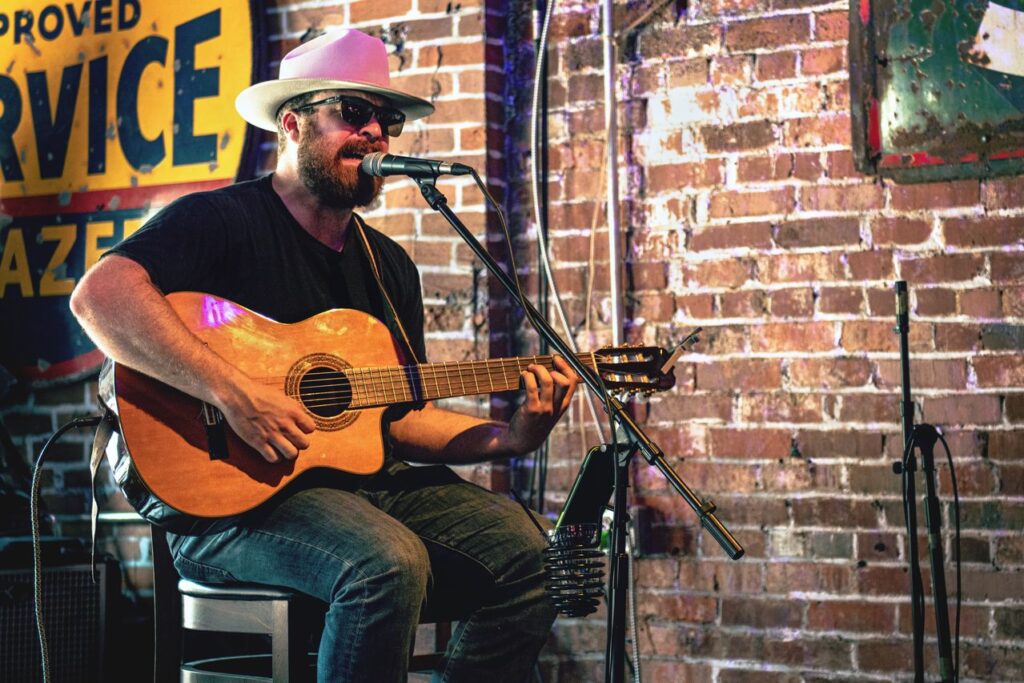
The Basement East — locally known as The Beast — is an East Nashville venue that has become central to the city’s non-country music scene. The room has good sound, a covered outdoor area, and a booking calendar that spans rock, indie, alternative, and experimental genres. It draws an overwhelmingly local crowd and feels nothing like downtown.
Exit/In in Midtown has been running since 1971 and has hosted early shows by artists including Emmylou Harris, Jimmy Buffett, and Steve Martin. The venue went through a period of uncertainty in recent years before reopening and continues to book an eclectic mix of national touring acts and strong local artists.
For Large-Scale Shows: Bridgestone Arena and Ascend Amphitheater
When major touring acts come through Nashville, they typically play Bridgestone Arena (capacity around 20,000) or Ascend Amphitheater (capacity around 6,800, outdoor, on the riverfront). Both are well-run venues with good sightlines and reliable production values.
Ascend is particularly worth noting in summer — the outdoor setting on the Cumberland River makes it one of the more pleasant large-venue experiences in the region, and the calendar during festival season is consistently strong.
A Quick Reference by Experience Type
| What you want | Where to go |
| Historic significance and great acoustics | Ryman Auditorium |
| Intimate songwriter experience | Bluebird Cafe |
| Classic honky-tonk atmosphere | Robert’s Western World, Tootsie’s |
| Bluegrass in a genuine setting | Station Inn |
| Rock, indie, local scene | The Basement East, Exit/In |
| Major touring artists | Bridgestone Arena, Ascend Amphitheater |
| Something unusual or avant-garde | Drkmttr |
Planning Around the Calendar
Nashville’s live music scene runs year-round, but the calendar intensifies around several annual events. CMA Fest in June fills the city with free outdoor stages and ticketed arena shows across four days. Americana Music Fest in September draws a more industry-focused crowd but includes strong public programming. The city’s venue schedules are worth checking a few weeks before any visit — popular shows at the Ryman and Bluebird in particular sell out well ahead of time, and planning around specific performances rather than hoping to walk in is the more reliable approach.
The music is there every night. Knowing which room fits the evening makes the difference between a good show and one worth telling people about.